 EN
 DE
 FR
 NL
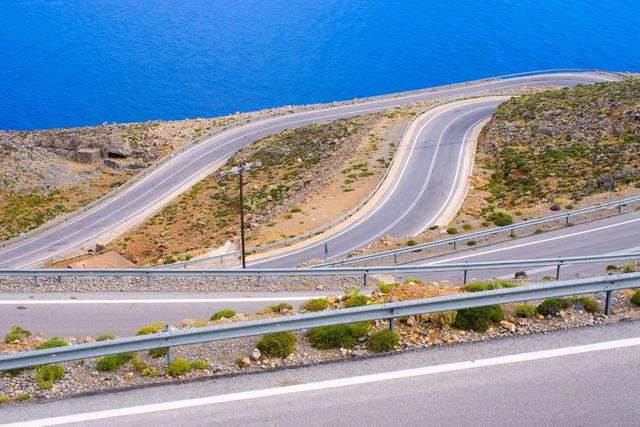
Driving in Crete is one of the best ways to discover the island at your own pace. You can leave a busy seaside town in the morning, drive through olive groves and mountain villages, and enjoy lunch at a small taverna overlooking the sea. But if you’ve never driven here before, you might be wondering: Is driving in Crete safe? What are the roads like? Are the mountain routes difficult?
Most experienced drivers find Crete relatively easy to explore. The main roads connect the island’s largest towns, while smaller routes lead to beautiful beaches and villages that are harder to reach by public transport.
If you’re planning to rent a car in Crete, a little preparation can make your journey more enjoyable. This guide covers the local driving rules, road conditions, and practical tips you need to explore the island safely and confidently.
Is Driving in Crete Safe for Tourists?
Yes, driving in Crete is generally safe for tourists, provided you follow Greek traffic rules, pay attention to road conditions, and take your time on unfamiliar routes.
If you’re visiting Chania, Heraklion, Rethymno, or Agios Nikolaos, you’ll mostly travel on paved roads that are relatively easy to follow. Things can become more challenging when you head inland, where roads are often narrower and driving conditions can change quickly.
Here are a few things you should be prepared for:
- Narrow mountain roads: Expect sharp bends, steep sections, and limited visibility in some rural areas.
- Confident local drivers: Some drivers overtake frequently or follow more closely than you might be used to.
- Animals on the road: Goats and sheep occasionally wander onto rural roads, particularly in mountainous areas.
- Busy tourist destinations: Traffic and parking can be challenging during July and August.
The best approach is to drive at a comfortable, safe speed, maintain enough distance from other vehicles, and avoid letting impatient drivers rush you.
If you’re visiting from the UK, Ireland, or another country where people drive on the left, remember that in Crete, you drive on the right-hand side of the road. Give yourself some time to adjust, particularly at junctions and roundabouts.
Driving Rules in Crete: What You Need to Know
Crete follows the same traffic regulations as mainland Greece. Most rules will feel familiar, but a few are worth checking before your trip.
Speed Limits and Driving Regulations in Crete
| Driving rule | What you need to know |
|---|---|
| Driving side | Right-hand side |
| Overtaking | On the left, where permitted |
| General speed limit in towns | 30 km/h |
| Certain wider urban roads | 50 km/h |
| Roads outside towns | 90 km/h |
| Expressways | 110 km/h |
| Motorways | 130 km/h |
| Seat belts | Mandatory for all passengers |
| Mobile phones | Hands-free use only |
| Alcohol limit | 0.5 g/L for most drivers |
| Novice, professional and motorcycle drivers | 0.2 g/L alcohol limit |
| Emergency number | 112 |
Under Greece’s updated Traffic Code, the general speed limit in built-up areas is 30 km/h, with a 50 km/h limit applying to certain wider roads. Always follow posted speed limits, particularly on Crete’s northern highway, where limits may change between sections.
Tip: If you’re travelling with children, make sure they use an approved child seat or restraint appropriate for their height and weight. And if you’re planning to enjoy some Cretan wine with dinner, leave the car parked. Avoiding alcohol altogether is the safest option when driving.
Roundabouts, Junctions and Right of Way in Crete
Roundabouts can be confusing if you’re used to driving in the UK or other European countries. In Greece, vehicles already inside a roundabout don’t automatically have priority. Right of way depends on the road signs.
- Roundabouts with Give Way or STOP signs: Drivers entering must give way to traffic with priority, usually vehicles already circulating.
- Roundabouts without priority signs: The general priority-to-the-right rule applies, meaning entering vehicles may have priority.
- Junctions and intersections: Follow STOP and Give Way signs. At unsigned junctions, vehicles approaching from the right generally have priority, subject to legal exceptions.
- Pedestrian crossings: Slow down and be prepared to stop for pedestrians.
Approach unfamiliar roundabouts slowly, check the signs, and indicate appropriately. Don’t assume they work exactly like those back home.
What Are the Roads Like in Crete?
Road conditions vary across the island. The northern highway connects the main towns, while inland routes often involve narrower, winding roads through the mountains.
The Northern Highway (BOAK)
The Northern Road Axis of Crete, known as BOAK or VOAK, connects major destinations such as Chania, Rethymno, Heraklion, and Agios Nikolaos. It’s the main road you’ll use when travelling between the island’s larger towns.
Although much of the route is straightforward, don’t expect a modern motorway all the way. Some stretches have a single lane in each direction, sharp bends, and limited overtaking opportunities. The highway is also undergoing upgrades, so you may encounter construction works or temporary traffic restrictions.
One local driving habit worth knowing: On certain stretches, slower drivers sometimes move partially towards the hard shoulder to allow faster vehicles to pass. However, the hard shoulder isn’t an ordinary driving lane, and you shouldn’t feel pressured to copy this behaviour.
Mountain Roads and Traditional Villages
Routes towards the White Mountains, Lassithi Plateau, and southern Crete offer beautiful scenery, olive groves, and traditional villages. However, mountain roads can be narrow and winding, with steep climbs and sections with limited guardrails.
When driving in the mountains:
- Slow down before blind bends and avoid risky overtaking.
- Keep to your side of the road and allow buses or trucks enough room to pass.
- Watch for loose gravel, rocks, and animals near the road.
Don’t be surprised if goats or sheep wander across your route! If you want to stop for photographs, find a safe parking spot rather than pulling over on a narrow bend.
Dirt Roads and Remote Beaches
Some of Crete’s most famous beaches are harder to reach than they appear on a map. Balos Lagoon, for example, involves a rough, unpaved road followed by a walk to the beach.
Before taking any dirt road, check your rental agreement. Off-road driving and related damage may not be covered by insurance. CreteCars has specific restrictions, even for SUVs and 4x4 vehicles.
7 Practical Tips for Driving in Crete
A little preparation can make a big difference, especially if this is your first time driving on the island. These practical tips will help you avoid common problems and enjoy your road trip.
1. Choose a Car That Feels Comfortable
You don’t need a large SUV to explore most of Crete. In fact, a smaller car can make your life easier when parking in Chania or driving through narrow village streets.
If you’re travelling with family or carrying several suitcases, you’ll probably appreciate a little more space. And if driving a manual car on steep mountain roads doesn’t sound particularly relaxing, an automatic is worth considering.
The right car depends on your itinerary, the number of people travelling, and your driving preferences. For more guidance, explore the CreteCars guide to the best cars to rent in Crete.
2. Don’t Let Other Drivers Rush You
You may notice that some local drivers overtake confidently or follow the vehicle ahead more closely than you’re used to. There’s no need to match their pace or feel pressured into driving faster than you’re comfortable with.
Keep a safe distance, signal clearly, and avoid sudden manoeuvres. If someone wants to overtake, let them pass when it’s safe and legal. Your priority is getting to your destination safely, not keeping up with the fastest car on the road.
3. Allow More Time for Mountain Journeys
Distances in Crete can be misleading. A village might look close on Google Maps, but winding roads, steep bends, and narrow sections can make the journey longer than expected.
Try not to fit too many distant places into one day. One of the nicest things about exploring Crete by car is having time to stop for a coffee, enjoy a viewpoint, or discover a small village along the way.
4. Download Offline Maps
Google Maps is useful for getting around Crete, but mobile reception isn’t always reliable in mountainous areas. Download your route before leaving your accommodation so you can continue navigating even when the signal disappears.
Be careful with shortcuts, too. Occasionally, navigation apps may suggest narrow village lanes or unpaved tracks that aren’t suitable for your rental car. If a road looks unsuitable, choose an alternative rather than following the GPS blindly.
5. Keep an Eye on Your Fuel
Petrol stations are common around major towns and along the northern highway, but can be harder to find in remote mountain areas. Some also close earlier in the evening.
Many stations have attendants who fill the tank for you. Card payments are widely available, although carrying a little cash can help in remote areas.
CreteCars operates a same-level fuel policy, so you’ll need to return the vehicle with the same amount of fuel it had when collected.
6. Plan Ahead for Parking
Parking in Chania, Heraklion, and Rethymno can take a little patience, particularly during July and August. Historic centres often have narrow streets, pedestrian areas, and limited parking spaces.
Instead of trying to park right beside the Old Town, look for a designated car park nearby and explore the area on foot. This is often easier, particularly during the busiest summer months.
Planning when to visit? The CreteCars guide to the best time to visit Crete explains how the seasons affect traffic, parking, and road trips around the island.
7. Avoid Unfamiliar Mountain Roads After Dark
Driving in Crete at night is possible, but some rural roads have limited street lighting. Sharp bends, uneven surfaces, and animals can also be harder to spot after sunset.
If you’re visiting a remote destination for the first time, try to complete the more challenging part of your journey during daylight. This is especially helpful if you’re unfamiliar with the route.
How Long Does It Take to Drive Around Crete?
Crete is larger than many visitors expect, so having a rough idea of driving times will help you plan your days. The northern highway connects the main towns, but journeys towards southern beaches and mountain villages often take longer.
| Route | Approximate driving time |
|---|---|
| Chania to Rethymno | 50–70 minutes |
| Chania to Heraklion | 2–2.5 hours |
| Heraklion to Agios Nikolaos | 55–75 minutes |
| Chania to Elafonisi Beach | 1 hour 40 minutes–2 hours |
| Heraklion to Matala | 1 hour 15 minutes–1 hour 40 minutes |
These are indicative one-way driving times. Traffic, roadworks, weather, and your exact starting point can affect the journey.
If you’re staying in one part of Crete, try grouping nearby destinations together rather than spending several hours driving back and forth across the island.
For inspiration, take a look at the CreteCars 5-day road trip itinerary for ideas on organising your holiday.
Ready to Explore Crete with CreteCars?
Driving in Crete gives you the freedom to discover beautiful beaches, mountain villages, and quieter destinations beyond the main tourist areas. With a little preparation and the right rental car, exploring the island can become one of the most enjoyable parts of your holiday.
If you’re arriving by plane, Crete’s two main airports are Heraklion International Airport (HER) and Chania International Airport (CHQ). With CreteCars, you can arrange airport pickup at either location and start your holiday without relying on public transport or organised excursions.
Whether you’re planning a beach holiday or a longer road trip, choosing a car that suits your plans will help you make the most of your time on the island.
Explore rental cars with CreteCars and find the right vehicle for your holiday.
Frequently Asked Questions about Driving in Crete
Are There Toll Roads in Crete?
Crete's established main road network has traditionally operated without conventional motorway toll booths. However, the northern highway is being upgraded, with tolls planned for parts of the new motorway. Check current arrangements before travelling.
Do I Need an International Driving Permit to Drive in Crete?
It depends on where your licence was issued. EU driving licences are recognised in Greece, and visitors with valid UK photocard licences can generally drive without an International Driving Permit (IDP). Visitors from other countries should check Greek requirements and their rental company's documentation rules before travelling.
Who Has Priority at Roundabouts in Crete?
Priority depends on road signs. At roundabouts with Give Way or STOP signs, drivers entering must yield to traffic with priority, usually vehicles already circulating. Without priority signs, Greece's general priority-to-the-right rule applies. Always check the signs before entering.